How Removing Unhealthy Trees Improves Safety for Your Family
Tree conditions directly affect safety around homes, driveways, play areas, and commercial properties every day. Weak branches, internal decay, and unstable roots increase the likelihood of sudden failures during routine weather conditions. Addressing tree health early helps reduce preventable risks tied to people and structures.
Property owners across Central Illinois manage aging landscapes exposed to storms, soil changes, and seasonal stressors. Small warning signs often precede larger safety issues that escalate quickly without professional attention. Proactive decisions protect families, visitors, and assets while supporting safer outdoor environments.
How Removing Unhealthy Trees Improves Safety for Your Family
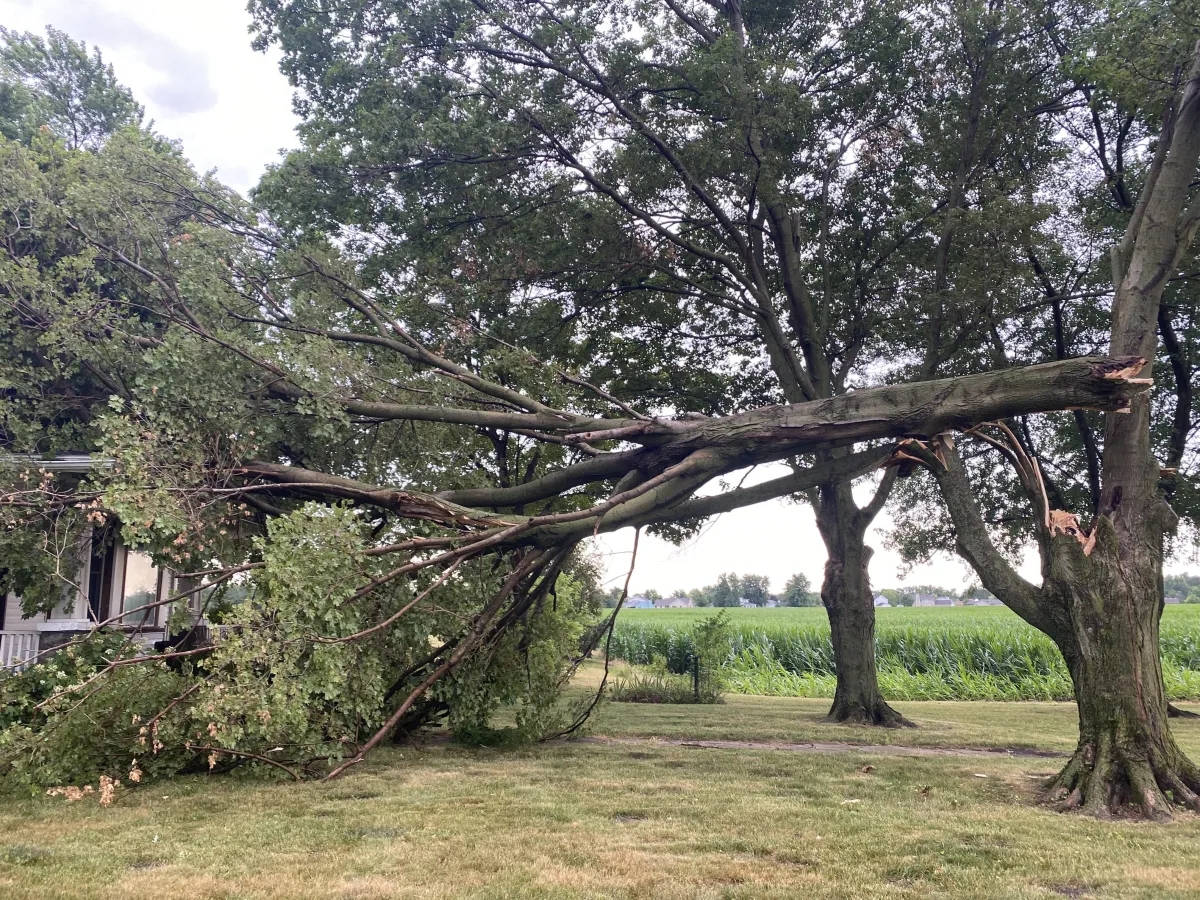
Removing unhealthy trees reduces safety risks by eliminating structurally compromised growth that can fail without warning. Decay, disease, and root damage weaken stability even when trees appear visually sound. Professional removal directly lowers exposure to falling limbs, uprooted trunks, and property damage near occupied areas.
Why Unhealthy Trees Create Hidden Safety Hazards Over Time
Risk develops gradually as internal decay and environmental stressors compromise strength beneath seemingly stable surfaces. Many hazards remain hidden until moderate wind or weather changes trigger sudden structural failure events. Understanding early indicators helps property owners decide when professional removal becomes the safest option available.

Internal rot steadily reduces load-bearing capacity within trunks and major limbs over extended periods. Fungal growth, insect activity, and prolonged moisture exposure weaken wood fibers from the inside outward. Unhealthy trees often fail during routine conditions rather than extreme storms or rare weather events.
Root systems lose stability as soil compaction, erosion, or construction damage disrupt anchoring strength belowground. Canopy weight increases stress on weakened supports, raising failure likelihood during common wind conditions. Timely intervention prevents cascading damage that threatens people, vehicles, and nearby structures across active properties.
How Unhealthy Trees Put People And Property At Risk
Safety concerns often escalate when declining tree conditions go unaddressed around occupied properties. Structural weakness develops gradually, creating hazards that surface during routine weather rather than extreme events. Understanding visible and hidden warning signs helps reduce exposure to unhealthy trees before failures occur.
Dead or hanging branches increase the likelihood of sudden falls near walkways, vehicles, and living spaces. Limb failure often happens during calm conditions, catching residents or visitors off guard unexpectedly.
Cracked trunks indicate internal decay that compromises weight distribution and structural balance. Structural fractures often worsen quickly once moisture and pests penetrate weakened wood.
Leaning trees suggest root instability caused by soil erosion or underground damage over time. Shifting roots reduce anchoring strength and raise the risk of full tree collapse.
Sparse foliage signals declining nutrient flow and internal stress affecting long-term stability. Reduced canopy health often precedes branch dieback and trunk failure.
Fungal growth near the base indicates rot spreading through critical support structures underground. Visible fungi often appear after significant internal damage already exists.
Addressing warning signs early limits the chance of unpredictable accidents around homes and businesses. Professional evaluation clarifies whether tree trimming or removal offers the safest resolution. Prompt action prevents hazards from escalating into emergencies involving unhealthy trees.
Why Removing Unhealthy Trees Reduces Liability Concerns
Property owners hold responsibility for maintaining safe conditions around occupied spaces and shared access areas. Tree failures can cause injuries or damage that lead to legal and financial consequences. Removing unhealthy trees lowers exposure to preventable liability risks.
Unstable trees near sidewalks, driveways, or buildings pose a greater risk to residents, guests, and employees. Falling limbs can damage vehicles or structures, even in mild weather. Proactive removal demonstrates responsible property management and safety awareness.
Insurance claims often increase following incidents involving neglected tree hazards. Documentation of professional tree-care decisions supports responsible ownership practices. Removing unhealthy trees reduces unexpected costs tied to emergency response and repairs.
How Professional Tree Removal Supports Long-Term Property Safety
Long-term safety depends on managing landscape risks rather than reacting to emergencies after failures occur. Strategic tree removal helps maintain clear sightlines, stable soil, and safer outdoor environments. Property planning improves when unhealthy trees no longer threaten daily activity areas.
Professional crews assess tree health using experience and safety protocols before removal decisions occur. Accurate evaluation helps determine when removal is safer than trimming.
Controlled removal techniques prevent collateral damage to nearby structures and landscaping. Skilled operations reduce risk to the surrounding property during complex jobs.
Stump grinding eliminates tripping hazards and prevents regrowth that could affect surface stability. Clean removal improves accessibility across yards and shared outdoor spaces.
Emergency services address storm-damaged trees that present an immediate danger to people or buildings. Rapid response limits exposure during high-risk situations.
Ongoing maintenance planning reduces repeated issues caused by neglected unhealthy trees. Preventative strategies support safer properties year after year.
Combining removal with routine maintenance strengthens overall landscape safety. Clear planning helps property owners avoid reactive decisions under pressure. Consistent care reduces the long-term impact of unhealthy trees on daily safety.
How Routine Tree Maintenance Prevents Future Safety Issues
Routine inspections identify declining conditions before visible damage creates immediate hazards around occupied properties. Professional monitoring highlights structural weaknesses, soil issues, and canopy stress that homeowners may overlook. Addressing unhealthy trees early supports safer landscapes and reduces reliance on emergency response services.

Seasonal maintenance helps manage growth patterns that increase strain on trunks and root systems. Strategic pruning limits excess weight while preserving surrounding healthy vegetation. Consistent care prevents small problems from evolving into major safety threats over time.
Proactive planning also supports better budgeting and scheduling for property owners. Scheduled tree services reduce urgency and decision pressure during storm seasons. Preventative attention limits long-term exposure to risks associated with unhealthy trees.
Protect Your Property With Proactive Tree Care Planning
Tree safety decisions directly influence how well your property withstands seasonal weather, aging landscapes, and unexpected environmental stressors. Waiting for visible failure often leads to higher costs, increased liability, and avoidable safety concerns. Thoughtful planning helps you stay ahead of risks while protecting people and property.
Staab Tree Service provides dependable tree removal, trimming, stump grinding, and emergency services for Central Illinois properties. Experienced crews focus on safety-first operations, honest estimates, and thorough cleanup for every project. Contact us to schedule an evaluation and protect your property before small risks become serious hazards.